NovaRehabVet

NovaRehabVetNovaRehabVetNovaRehabVet

NovaRehabVet

NovaRehabVetNovaRehabVetNovaRehabVet

Healing pets. Restoring lives. Helping them live their best lives.

Schedule a Visit

About NovaRehabVet

Our Mission & Vision

At NovaRehabVet, our mission is to restore mobility, comfort, and quality of life for animals through evidence-based rehabilitation, compassionate care, and personalized treatment plans—supporting pets and the people who love them every step of the recovery journey.


Our vision is to create a place where healing is guided by compassion, innovation, and trust—helping animals regain joy in movement and empowering families with hope, confidence, and support throughout every stage of recovery.

Welcome to NovaRehabVet

Owner of NovaRehabVet - Dr. Nandita Fernandes

Dr. Fernandes has been proud to call Northern Virginia home for over 20+ years and feels honored to serve the pets and families in her community. She earned her Master of Public Health and Doctor of Veterinary Medicine degrees from St. George’s University School of Veterinary Medicine, completing her clinical year at the University of Tennessee in Knoxville, Tennessee.


Dr. Fernandes is certified in Physical Rehabilitation, Veterinary Medical Acupuncture, and Veterinary Spinal Manipulative Therapy (VSMT), often described as “animal chiropractic” care. These specialized therapies allow her to create individualized treatment plans that help pets feel more comfortable, move more easily, and enjoy life to the fullest.


As a Fear Free Certified Professional, Dr. Fernandes is deeply committed to making every visit as calm and stress-free as possible. She understands that trips to the veterinarian can be overwhelming, and she works patiently to reduce fear, anxiety, and stress—both in the hospital and at home—so pets feel safe and supported throughout their care.


Dr. Fernandes has a special passion for maintaining the human–animal bond and takes great joy in helping pets and their families navigate orthopedic and neurologic challenges together. Seeing a pet regain mobility, comfort, or confidence is what inspires her every day.


When she’s not caring for patients, Dr. Fernandes enjoys spending time with her family and dogs, gardening, watching movies, and enjoying sunny outdoor activities—often alongside her own four-legged companions.


Welcome to NovaRehabVet

Physical Rehabilitation

Physical Rehabilitation for Pets

Helping Your Pet Move Better, Feel Better, and Live Better

Physical rehabilitation (rehab) for pets is similar to physical therapy for people. It helps reduce pain, improve mobility, restore strength, and enhance quality of life after injury, surgery, or due to chronic conditions.

🦴 What Is Pet Rehabilitation?

Pet rehab uses targeted exercises, manual therapy, and specialized equipment to:

  • Improve strength and flexibility
  • Reduce pain and inflammation
  • Restore balance and coordination
  • Speed recovery after surgery
  • Support aging pets with arthritis
  • Manage neurological conditions

Rehab is safe, gentle, and customized specifically for your pet.

🐶🐱 Conditions That Benefit from Rehab

Your veterinarian may recommend rehabilitation for:

  • Cruciate ligament (ACL/CCL) injuries
  • Hip or elbow dysplasia
  • Arthritis and joint pain
  • Post-surgical recovery (orthopedic or neurologic)
  • Intervertebral disc disease (IVDD)
  • Neurological weakness or paralysis
  • Muscle strains or soft tissue injuries
  • Weight management and conditioning
  • Senior pet mobility support

💧 Common Rehabilitation Therapies

Your pet’s treatment plan may include:

Underwater Treadmill

  • Builds strength without stressing joints
  • Improves walking ability
  • Excellent for post-surgical recovery

Therapeutic Exercises

  • Targeted strengthening and balance work
  • Improves coordination and core stability

Manual Therapy

  • Massage and joint mobilization
  • Reduces stiffness and improves circulation

Laser Therapy

  • Decreases pain and inflammation
  • Promotes tissue healing

Therapeutic Ultrasound or Electrical Stimulation

  • Supports muscle recovery
  • Reduces discomfort

🏠 Home Care Is Important

Your participation makes a big difference! We may provide:

  • Home exercise instructions
  • Range-of-motion exercises
  • Controlled leash-walking plans
  • Environmental recommendations (ramps, rugs, support harnesses)

Consistency at home helps maximize your pet’s recovery.

⏳ What to Expect

  • Initial evaluation: Assessment of strength, gait, pain level, and mobility
  • Personalized treatment plan: Designed specifically for your pet’s condition
  • Regular progress checks: Adjustments made as your pet improves
  • Gradual improvement: Most pets show progress within several sessions

Rehabilitation is not a quick fix — it is a process that builds long-term improvement and comfort.

❤️ Benefits of Rehabilitation

  • Less pain
  • Improved mobility
  • Faster post-surgical recovery
  • Increased strength
  • Better quality of life
  • Greater independence for senior pets

🐾 Is Rehab Safe?

Yes. When performed by trained veterinary professionals, rehabilitation is:

  • Gentle
  • Controlled
  • Evidence-based
  • Tailored to your pet’s condition

Your pet’s comfort and safety are always our top priorities.

📅 Questions?

If you have questions about your pet’s rehab program or notice changes at home, please contact us. We’re here to support you and your pet every step of the way.

Acupuncture

Acupuncture for Pets

A gentle, natural therapy to support your pet’s health and comfort

What Is Acupuncture?

Acupuncture is a safe, time-tested medical therapy that involves placing very fine, sterile needles into specific points on the body. These points help stimulate the nervous system, improve circulation, reduce inflammation, and promote the body’s natural healing processes.

Veterinary acupuncture is performed by specially trained veterinarians and is used as part of an integrative approach to care—meaning it works alongside conventional treatments such as medications, surgery, and physical therapy.

How Does Acupuncture Help Pets?

Acupuncture can:

  • Relieve pain
  • Reduce inflammation
  • Improve mobility
  • Support nerve function
  • Enhance circulation
  • Promote relaxation and well-being
  • Support immune function

Many pets become very relaxed during treatment and may even fall asleep.

Conditions Commonly Treated

Acupuncture may benefit pets with:

Pain & Mobility Issues

  • Arthritis
  • Hip dysplasia
  • Back or neck pain
  • Intervertebral disc disease (IVDD)
  • Post-surgical recovery

Neurologic Conditions

  • Nerve injuries
  • Weakness or paralysis
  • Seizure disorders

Internal Medicine Conditions

  • Gastrointestinal disorders (vomiting, diarrhea, constipation)
  • Kidney disease
  • Liver disease
  • Respiratory conditions (asthma, bronchitis)

Other Conditions

  • Anxiety
  • Allergies
  • Chronic inflammation
  • Senior pet wellness support

What to Expect During a Session

  • Initial Visit: Includes a thorough history and examination.
  • Treatment: Very small, sterile needles are placed in specific points. Most pets tolerate this very well.
  • Session Length: Typically 20–40 minutes.
  • Sensation: The needles are much thinner than vaccination needles. Some pets feel little to nothing; others may briefly react and then relax.

Some pets show improvement after one session, while others benefit from a series of treatments.

How Many Treatments Are Needed?

Treatment plans vary depending on the condition:

  • Acute conditions: May improve in 1–3 treatments.
  • Chronic conditions: Often require weekly treatments for 4–6 weeks, then tapering to maintenance visits.
  • Senior wellness: Periodic treatments may help maintain comfort and mobility.

Your veterinarian will create a customized treatment plan for your pet.

Is Acupuncture Safe?

Yes. When performed by a trained veterinarian:

  • Side effects are rare and typically mild.
  • Temporary soreness or fatigue may occasionally occur.
  • It is considered very safe for senior pets and those taking medications.

Acupuncture does not replace necessary conventional care but complements it.

Frequently Asked Questions

Will it hurt my pet?
Most pets tolerate acupuncture very well. The needles are extremely fine, and many animals relax during treatment.

Will my pet need to be sedated?
No. The vast majority of pets do not require sedation.

Can it be combined with medications?
Yes. Acupuncture works well alongside conventional treatments.

Is Acupuncture Right for My Pet?

If your pet is experiencing chronic pain, mobility issues, neurologic problems, or other ongoing health concerns, acupuncture may be a helpful addition to their treatment plan.

Please contact our office to schedule a consultation or to learn more.

Credible Sources

  1. American Veterinary Medical Association (AVMA).
    “Veterinary Acupuncture.”
    https://www.avma.org/resources-tools/animal-health-and-welfare/complementary-and-integrative-veterinary-medicine
  2. International Veterinary Acupuncture Society (IVAS).
    Overview of Veterinary Acupuncture.
    https://www.ivas.org
  3. Xie H, Wedemeyer L. Traditional Chinese Veterinary Medicine: Fundamental Principles. Chi Institute Press.
  4. American Academy of Veterinary Acupuncture (AAVA).
    https://www.aava.org

National Institutes of Health (NIH).
“Acupuncture: In Depth.” National Center for Complementary and Integrative Health.
https://www.nccih.nih.gov/health/acupuncture-in-depth

Therapeutic Laser (Photobiomodulation)

Therapeutic Laser or Photobiomodulation (PBM) for Dogs & Cats    

Gentle low level light therapy to keep animals moving, healing, and feeling their best

Photobiomodulation (PBM), often called therapeutic laser or light therapy, is a safe, non- invasive treatment used in canine and feline rehabilitation to help reduce pain, decrease inflammation, and support the body’s natural healing process. It uses specific wavelengths of red and near-infrared light to work at a cellular level — helping your dog or cat feel better and move more comfortably.

It will often help support muscle, joint and soft tissue healing, improve mobility and comfort and help nerves recover and function more normally. PBM is drug-free, painless, and is well tolerated by animals of all ages, from active sports to senior companions and recovering from surgery.

Supporting Sports Dogs

For canine athletes and working dogs, PBM is commonly used to:

  • Support muscle recovery after training or competition
  • Reduce soreness and inflammation
  • Help manage repetitive strain or overuse injuries
  • Improve recovery time between events
           
    Many handlers use PBM as part of a proactive performance and recovery plan to help keep sports dogs feeling strong and comfortable.
           
    Helping Senior Dogs & Cats Stay Comfortable and Mobile
    As pets age, stiffness and arthritis can make everyday activities more challenging. Photobiomodulation is especially helpful for senior pets because it is gentle and does not rely on medication.
           
    PBM may help senior dogs:
          
  • Move more comfortably
  • Reduce joint stiffness and pain
  • Improve ease of standing, walking, and climbing stairs
  • Maintain a better quality of life

Supporting Post-Surgical and Injury Recovery

Photobiomodulation is often used during post-operative rehabilitation and injury recovery to:

  •              
    Reduce swelling and discomfort
          
  •              
    Support faster tissue healing
          
  •              
    Improve comfort during recovery
          
  •              
    Assist nerve healing when appropriate
           
    PBM is frequently combined with therapeutic exercise and other rehabilitation techniques to support safe, steady recovery.
           
    What Does a PBM Session Feel Like?
           
    Most dogs find PBM treatments calm and relaxing. Sessions typically last 5–15 minutes, depending on the area treated. Your pet may feel gentle warmth — many pets relax or even nap during treatment.
           
    There is no downtime, and your dog can usually return to normal activity unless otherwise advised.
           
    Is Photobiomodulation Safe for Dogs & Cats?
           
    Yes. Photobiomodulation is widely used in veterinary medicine and canine rehabilitation and is considered very safe when performed by trained professionals.
          
  •              
    Non-invasive and painless
          
  •              
    No medications, injections, or sedation
          
  •              
    Suitable for repeated or long-term use
           
    Each dog is assessed individually to ensure PBM is appropriate for their condition.
           
    References & Credible Veterinary Resources
          

The use of photobiomodulation in veterinary medicine is supported by professional organizations and peer-reviewed research. For pet parents interested in learning more, the following resources provide reliable, evidence-based information:

American Animal Hospital Association (AAHA) –
Laser Therapy for Pets
Overview of how therapeutic laser (photobiomodulation) is used in veterinary medicine for pain relief, inflammation reduction, and healing.
AAHA Trends Magazine –
What Is Photobiomodulation Therapy?
A veterinary-focused explanation of PBM, its mechanisms, and its role in multimodal pain management.
American Society for Laser Medicine and Surgery (ASLMS) –
Veterinary Laser Medicine
Describes how laser and light-based therapies are used safely in veterinary care.
American Journal of Veterinary Research –
Photobiomodulation Therapy in Dogs with Osteoarthritis
Peer-reviewed clinical studies evaluating PBM for pain and function in dogs with joint disease.
(Available via PubMed)
                 
Top Companion Animal Medicine –
Review of Photobiomodulation in Veterinary Patients
Summarizes mechanisms of action and clinical applications of PBM in animals.
       
Is Photobiomodulation Right for Your Dog or Cat?
       
Whether your pet is a competitive athlete, a senior companion, or recovering from surgery, photobiomodulation may be a helpful part of their rehabilitation plan. Our team works closely with you — and your veterinarian when appropriate — to ensure safe, effective, and compassionate care.
       
Contact us to learn more or schedule a canine rehabilitation consultation.

Veterinary Spinal Manipulative Therapy ("Animal Chiropractic")

Veterinary Spinal Manipulative Therapy ("Animal Chiropractic")

What Is Veterinary Spinal Manipulative Therapy?

Veterinary Spinal Manipulative Therapy (VSMT) is a hands-on treatment performed by a licensed veterinarian to improve mobility and comfort in the spine and joints. It involves gentle, controlled movements applied to specific areas of the spine to restore normal motion and function.

You may also hear this type of treatment referred to as “animal chiropractic care.” When performed by a veterinarian trained in this technique, it is a safe and effective complement to traditional veterinary medicine.

How Does It Work?

The spine protects the spinal cord and allows the body to move, bend, and function properly. When joints in the spine lose their normal range of motion (sometimes called “restricted” or “misaligned” joints), pets may experience:

  • Pain or stiffness
  • Reduced performance or mobility
  • Behavioral changes
  • Compensation in other areas of the body

Spinal manipulative therapy helps restore normal joint movement. This can:

  • Reduce pain and inflammation
  • Improve flexibility and mobility
  • Support proper nerve function
  • Enhance overall comfort and performance

Which Pets Can Benefit?

Many types of animals may benefit, including:

  • Dogs and cats
  • Performance and working dogs
  • Agility, obedience, and sporting animals
  • Senior pets with arthritis
  • Pets recovering from certain orthopedic injuries

Common conditions that may respond well include:

  • Neck or back pain
  • Stiffness or difficulty rising
  • Decreased performance
  • Uneven gait or lameness (after veterinary evaluation)
  • Chronic musculoskeletal tension
  • Post-surgical rehabilitation support (when appropriate)

What Happens During an Appointment?

  1. Comprehensive Examination
    Your veterinarian will review your pet’s medical history and perform a thorough physical and neurological exam. Spinal manipulative therapy is only recommended when appropriate and safe.
  2. Assessment of Joint Motion
    The veterinarian will evaluate spinal and joint movement to identify areas of restriction.
  3. Treatment
    Gentle, precise adjustments are applied by hand to specific joints. Treatments are typically quick and well tolerated. Most pets do not require sedation.

Is It Safe?

When performed by a licensed veterinarian trained in spinal manipulative therapy, this treatment is considered safe. However, it is not appropriate for every pet. It may not be recommended in cases such as:

  • Fractures or spinal instability
  • Bone infections
  • Certain cancers involving bone
  • Severe neurological conditions

Your veterinarian will determine if your pet is a good candidate.

What Can I Expect After Treatment?

Many pets show improvement within 24–72 hours. You may notice:

  • Improved movement
  • Increased activity
  • Better posture
  • Greater comfort

Occasionally, pets may experience mild soreness for a day or two, similar to how people sometimes feel after physical therapy. This typically resolves quickly.

Your veterinarian may recommend:

  • A series of treatments
  • Home exercises
  • Weight management
  • Rehabilitation therapy
  • Medication if needed

Spinal manipulative therapy is often part of a comprehensive treatment plan.

Frequently Asked Questions

Will my pet need ongoing treatment?
It depends on your pet’s condition. Some pets benefit from short-term care, while others—especially performance or senior pets—may benefit from periodic maintenance treatments.

Is this a replacement for traditional veterinary care?
No. Spinal manipulative therapy is a complementary therapy and works best alongside conventional veterinary medicine.

Will it hurt my pet?
Most pets tolerate treatment very well and often appear relaxed afterward.

Our Goal

Our goal is to improve your pet’s comfort, mobility, and quality of life using safe, evidence-informed, and compassionate care. If you have questions about whether spinal manipulative therapy is right for your pet, please contact our office to schedule a consultation.

Your pet’s comfort and well-being are our priority.

Pain Management

Veterinary Spinal Manipulative Therapy ("Animal Chiropractic")

Pain Management

🐾 Pain Management for Pets

Helping Your Pet Stay Comfortable and Happy

Pets feel pain just like people do — but they often hide it well. Recognizing and treating pain early helps your pet heal faster, stay active, and enjoy a better quality of life.

How Do I Know If My Pet Is in Pain?

Because animals instinctively hide discomfort, the signs can be subtle.

Common Signs of Pain in Dogs:

  • Limping or reluctance to walk, run, or jump
  • Difficulty getting up or lying down
  • Whining, whimpering, or excessive panting
  • Changes in appetite
  • Licking or chewing at a specific area
  • Irritability or behavior changes

Common Signs of Pain in Cats:

  • Hiding more than usual
  • Decreased grooming or matted coat
  • Reduced appetite
  • Difficulty jumping up or down
  • Changes in litter box habits
  • Growling or resistance when touched

If you notice any of these signs, please contact us. Early treatment makes a big difference.


When Do Pets Need Pain Management?

Pain management may be needed for:

  • Surgery (spay/neuter, dental procedures, orthopedic surgery)
  • Arthritis and aging joints
  • Injuries (sprains, fractures, wounds)
  • Dental disease
  • Chronic conditions (cancer, back problems)
  • Ear infections or skin conditions

Pain control is an important part of treatment — not an optional extra.


How Is Pain Treated?

We tailor pain management to your pet’s specific needs. Treatment may include:


🩺 Prescription Medications

  • Anti-inflammatory medications (NSAIDs)
  • Opioid pain relievers
  • Nerve pain medications
  • Muscle relaxants

⚠️ Never give human pain medications (such as ibuprofen, acetaminophen, or aspirin) unless specifically directed. Many are toxic to pets.


💊 Multimodal Pain Control

Often, we combine different types of medications to provide better relief with fewer side effects.


🐕 Joint Support

  • Joint supplements (glucosamine, omega-3 fatty acids)
  • Prescription joint diets
  • Weight management

🌿 Additional Therapies

  • Cold laser therapy
  • Physical rehabilitation
  • Acupuncture
  • Environmental changes (ramps, soft bedding, non-slip rugs)

What Are the Benefits of Treating Pain?

  • Faster recovery after surgery or injury
  • Improved mobility
  • Better mood and behavior
  • Increased appetite
  • Better sleep
  • Improved overall quality of life

Untreated pain can slow healing and lead to long-term problems.


At-Home Care Tips

You can help your pet stay comfortable by:

  • Giving medications exactly as prescribed
  • Monitoring for side effects (vomiting, diarrhea, lethargy, appetite changes)
  • Keeping follow-up appointments
  • Maintaining a healthy weight
  • Providing soft bedding and easy access to food, water, and litter boxes
  • Avoiding slippery floors for arthritic pets

If you think your pet is still painful, call us. We can adjust the plan.


Our Commitment to Your Pet’s Comfort

Pain management is a priority in our hospital. We believe no pet should suffer unnecessarily, and we will work with you to create a safe, effective plan tailored to your pet.

If you have any questions or concerns about your pet’s comfort, please contact us. We’re here to help.
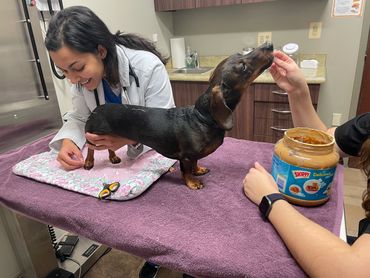
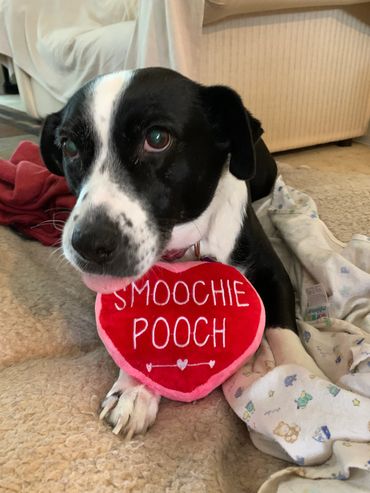
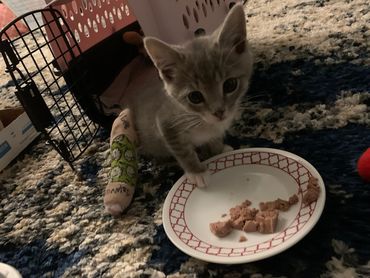
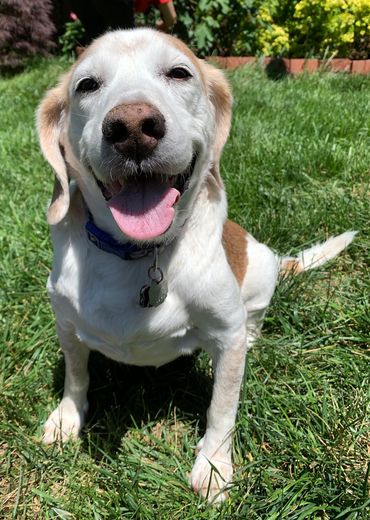
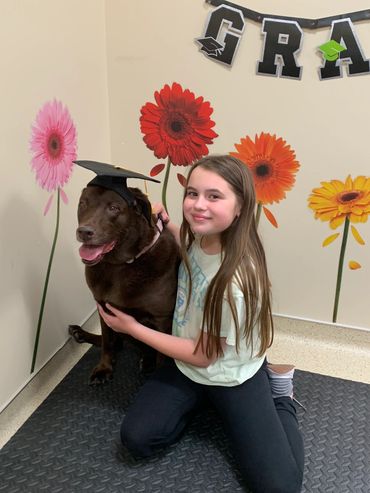
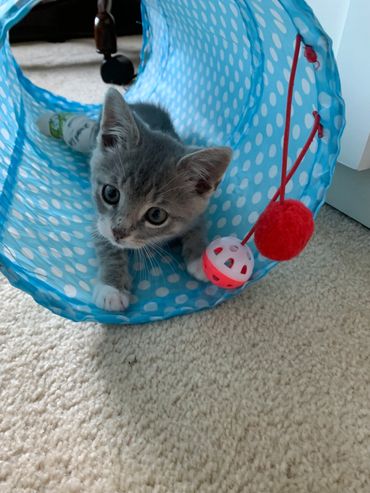
Our Furry Friends: A Gallery of Adorable Pets at NovaRehabVet

Furry Friends Approved

Contact Us

Send Message

Attach Files
Attachments (0)

This site is protected by reCAPTCHA and the Google Privacy Policy and Terms of Service apply.

Healing pets. Restoring lives. Helping them live their best lives.

Contact Us:

novarehabvet@gmail.com 

Ph: 571-234-1733

Ph: 571-388-6110


Hours

We’d love to help care for your pet! NovaRehabVet does not operate on fixed business hours, as appointment times vary depending on your location and the travel time required by Dr. Fernandes. Please feel free to email, text, or call us to schedule an appointment—we’re always happy to answer your questions and find a time that works best for you and your furry family member.

Join Our Mailing List

NovaRehabVet

571-234-1733

Copyright © 2026 NovaRehabVet - All Rights Reserved.

Powered by

This website uses cookies.

We use cookies to analyze website traffic and optimize your website experience. By accepting our use of cookies, your data will be aggregated with all other user data.

Accept